
Understanding Luck in Casino Games
Luck plays a crucial role in casino games, as it often determines the outcome of individual rounds. This element of chance is particularly evident in games like slot machines and roulette, where players rely on random number generation to win. Despite the importance of luck, players are often drawn to these games because they can visit bonnydoggrooming.co.uk for tips on improving their strategies and enjoying the excitement and thrill that comes from the unpredictability of outcomes. It is this very unpredictability that fuels the belief that luck is the primary factor in gambling.
However, the nature of luck can vary significantly across different games. For example, while luck is central to games based on pure chance, such as slot machines, other games like poker require a deeper understanding of strategies and opponent behavior. In poker, a skilled player can leverage their knowledge and experience to increase their chances of winning, even if they do not always have the luckiest cards. This illustrates that, while luck is important, it is not the only element that influences results in casino games.
Moreover, the perception of luck can also be affected by cognitive biases. Players might remember their wins more vividly than their losses, leading to an enhanced belief in luck’s role. The gambler’s fallacy, where individuals believe they can predict future wins based on past outcomes, further complicates the understanding of luck in gambling scenarios. Thus, while luck is undeniable, it’s essential to recognize that it operates within a broader context of skills, psychology, and strategies.
The Role of Skill in Casino Games
Skill is another significant factor in many casino games, particularly in those that require strategic decision-making. Blackjack is a prime example where a player’s knowledge of basic strategies can dramatically influence their chances of winning. By understanding concepts like card counting, hitting, and standing, players can make informed choices that can offset the house edge, thereby increasing their probability of success over time.
Games like poker further emphasize the role of skill. In a typical poker game, the player’s ability to read opponents, calculate pot odds, and make strategic bets can lead to consistent wins. Unlike games of pure chance, where luck dominates, skilled players can often outperform less experienced ones, proving that knowledge and strategy play an essential role in determining outcomes. This shift in focus from luck to skill reflects the idea that mastering a game can provide a player with a more significant advantage.
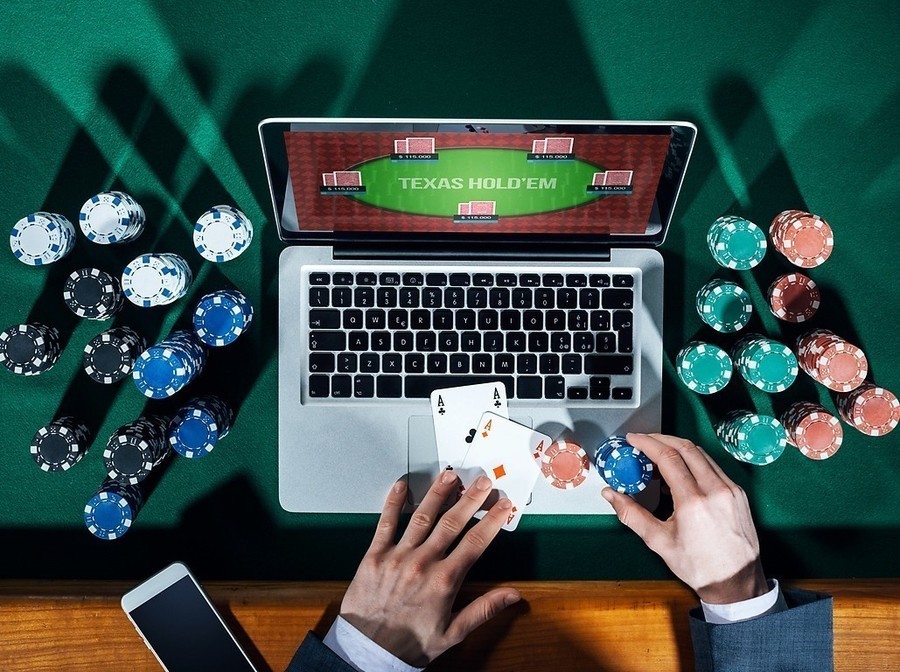
Moreover, skill doesn’t just apply to decision-making at the table; it also extends to bankroll management and psychological resilience. Understanding when to walk away or how to manage losses is a skill that can prevent players from chasing losses and making emotional decisions that lead to poor outcomes. Therefore, while luck may influence immediate results, skill and strategic thinking are vital for long-term success in casino games.
The Influence of House Edge
The concept of the house edge is integral to understanding how casino games work. The house edge represents the mathematical advantage that the casino has over players, which ensures that the casino remains profitable over time. Games like baccarat, blackjack, and craps all come with different house edges, which can significantly impact a player’s expected outcomes. By choosing games with a lower house edge, players can mitigate the impact of luck to some extent and enhance their overall winning potential.
In many games, the house edge can be offset through strategic play. For instance, in blackjack, a player who employs basic strategy can reduce the house edge to less than one percent. This means that while luck still plays a role in the short term, skillful decision-making can lead to better outcomes over an extended period. Understanding the rules, strategies, and odds can empower players to make more calculated decisions, thereby diminishing the random impact of luck.
Moreover, progressive jackpot games often have a higher house edge but provide the allure of substantial rewards. Players lured by these potential payouts must recognize that the chance of winning such large sums is exceedingly slim. Hence, while these games may appear to be driven by luck, the underlying house edge and player strategy significantly influence the overall experience and outcome. It’s crucial for players to understand these dynamics when engaging in any casino game.
The Psychological Aspect of Gambling
The psychology of gambling introduces a fascinating layer to the discussion of luck and skill. Many players develop beliefs about luck that can influence their behavior and strategies. Superstitions about lucky charms, rituals, or specific betting patterns can lead players to feel a sense of control over outcomes. This psychological phenomenon can create an environment where players firmly believe that their luck can be manipulated through their actions, further complicating how luck is perceived in games.
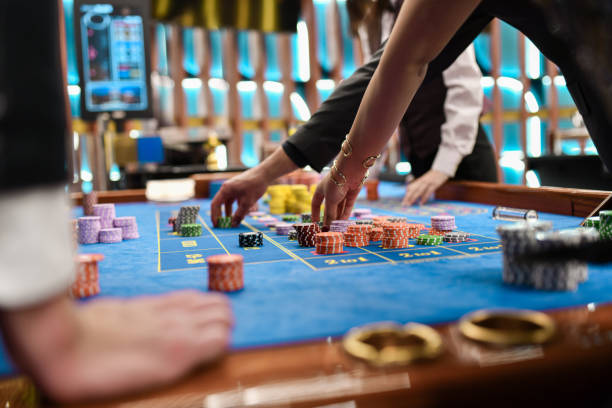
Moreover, emotional responses to winning or losing can significantly affect a player’s decision-making process. The thrill of a win can lead to impulsive behavior, while a series of losses can cause frustration and poor choices, such as chasing losses or increasing bets. Understanding these psychological triggers is essential for any player looking to navigate the complex world of casino gaming. Being aware of one’s emotional state can help players make more rational decisions, ultimately impacting their overall experience and success.
Furthermore, the social aspect of gambling can influence perceptions of luck. Engaging with fellow players can create a shared experience that amplifies feelings of excitement and shared belief in luck. However, social pressures can also lead players to adopt certain strategies or superstitions that may not align with effective gameplay. Recognizing the interplay between psychology and gambling strategies is vital for achieving a balanced approach in the quest for success at the casino.
Conclusion: Finding Balance Between Luck and Skill
In conclusion, while luck undeniably plays a significant role in the outcomes of casino games, it is not the sole factor determining success. The interplay between luck and skill, along with the influence of house edge and psychology, creates a complex environment for players. Understanding these elements can help players make informed decisions, enhance their strategic play, and manage their expectations regarding winning and losing.
For those looking to enjoy casino games, it’s crucial to strike a balance between embracing the unpredictability of luck and honing one’s skills. Engaging in games that suit individual preferences and skill levels can lead to a more rewarding experience. Players should also be aware of the psychological aspects that influence their gaming behavior to ensure a responsible and enjoyable gambling experience.
Ultimately, the world of casino gaming is a rich tapestry woven from luck, skill, and the experiences of individuals. Players who recognize and appreciate this complexity are better equipped to enjoy their time at casinos, whether online or in-person, ultimately enhancing their overall enjoyment and engagement with the games they love.